Saturday, June 25, 2022

Launching SafeGrowth in Europe - Reflections from Helsingborg's H22 Smart City Expo

Swedish promotional video on SafeGrowth for the 
H22 Smart City Expo - music video courtesy of MOOSGH


by Mateja Mihinjac & Gregory Saville

The H22 Smart City Expo in Helsingborg, Sweden is approaching its final days. What a month it has been for the two of us and the SafeGrowth neighbourhood team on the ground! 

This is the first-ever demonstration of the SafeGrowth neighbourhood safety planning system in Europe and the H22 Smart City Expo is a month-long, international demonstration of all things futuristic, promising, and technological for cities in the future. Helsingborg is the host of the H22 Expo and the neighbourhood of Drottninghög has been the site of SafeGrowth community work for the past year. 
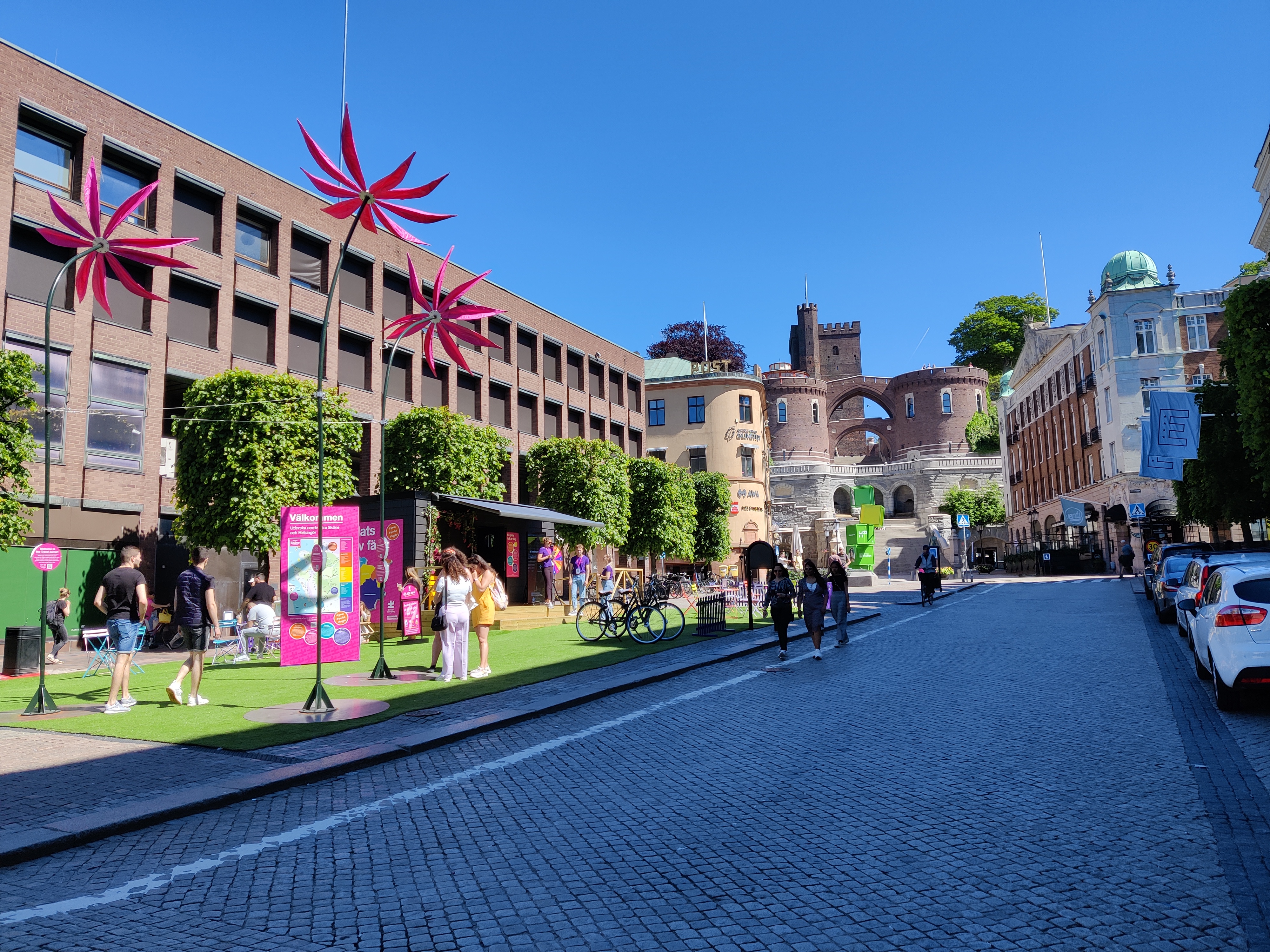

H22 has outdoor and indoor exhibits, conference and walking tours,
and demonstrations in different city neighbourhoods


In the first week, we held a series of safety audit workshops in Drottninghög where residents have been implementing parts of the SafeGrowth model. We hosted professional visitors from municipalities across Europe wanting to learn more about SafeGrowth and its methods. We demonstrated our safety audit process and technology using a mobile app to collect perception of safety data during night walking audits that communities can use for subsequent safety-based community work.


Evening photo of Helsingborg architecture

THE NIGHT SAFETY AUDITS

We also facilitated a night-time safety audit with a large group of 40 attendees from the Urban Future Conference, which was a welcome challenge. We divided participants into several small groups to demonstrate the method. It was necessary for us to keep our participants until after darkness, which mean that the audit could not effectively start until 22:30 when it finally got dark enough to observe the nighttime environment! 


Planners and city officials from across Europe attend one of our night
audits with our new mobile app


We were delighted to see they stayed late into the evening and enthusiastically engaged in the exercise. It was satisfying to hear such positive comments from the participants afterwards.

Greg, Mateja and Iman preparing for the presentation at H22 Talks

Our second highlight included two different H22 talks and Urban Future Conference presentations when we introduced SafeGrowth to industry partners. Both presentations included a brief overview of SafeGrowth and its initial stages of implementation in Drottninghög with Greg Saville, Mateja Mihinjac and Iman Abbas. The sessions included interactive discussions with the audience as they investigated how to adopt this in their own cities across Sweden and Europe. 


One of our display posters at our pavilion


We were fortunate to invite an outstanding group of panelists of our key stakeholders to the Urban Future Conference session. They included members of our neighbourhood team: 

  • Peter Karström from the Helsingborg Police; 
  • Mahad Abdullahi, a neighbourhood youth representative; 
  • Seenaa Alshohani, a neighbourhood resident representative; and 
  • Iman Abbas, The City of Helsingborg coordinator for SafeGrowth and a SafeGrowth Advocate. 

This panel shared their own personal insights into their experience with the SafeGrowth method over the past year, its potential, challenges during their work on the ground, and the future outlook. 


Three of our team members - Mateja, Mahad and Iman - getting ready
for another day of presentations

THE LOCAL TEAM

One of the most crucial roles in the entire SafeGrowth experience at the H22 Expo was the role of the SafeGrowth team under the guidance of the city’s coordinators Iman Abbas and Mia Wiklund. 


Mateja and Mia getting ready for presentation

Iman and Mia helped provide direct interaction with attendees and they demonstrated the SafeGrowth method to neighbourhood and city residents, visitors, politicians, professionals, researchers and tourists who wanted to learn about SafeGrowth work underway in Europe for the first time. Iman, Mia and all the local team members continue to spread the message until the very last day of the Expo.

We were delighted with the professionalism and expertise of all our new friends in Drottninghög and we are convinced this is the exact message deserving of a smarter - and safer - city in the future.

We thank the residents and local community of Drottninghög who continue to volunteer their valuable time to make their neighbourhood safer and more liveable. Special thanks go to Iman Abbas and Mia Wiklund who have been working tirelessly while coordinating the neighbourhood team in their SafeGrowth work and planning for the H22 Smart City Expo. 

Thank you all!


An evening meet and greet at H22 over the Helsingborg waterfront


Monday, June 13, 2022

The Painted Ladies


by Tarah Hodgkinson

A few weeks ago, we decided to take a drive out to Grimsby, a small city on the shore of Lake Ontario for a hike. We found a charming coffee shop, some neat stores, and one of the most interesting examples of community culture I have ever seen. 

We parked our car and strolled through the roundabout and surrounding streets to find several houses in the area painted up in the funky colours of Painted Ladies architecture. Many folks who live in Southwestern Ontario will be familiar with the Painted Ladies. These are a collection of houses that feature wild colour palettes and thematic designs. 

This now popular tourist destination was once a Methodist camp along Lake Ontario. The neighbourhood then transitioned to beach cottages. When the Methodist camp went bankrupt in the early 1900s, the area was replaced with an amusement park. After that closed in the 1930s, the remaining cottages were built up, winterized and decorated to reflect their interesting past. 

Interestingly, homes in the Painted Lady architectural style are not that unusual. Old Victorian and Edwardian houses, or in this case cottages, are repainted in bright colours to enhance their architectural features and embellish their historical heritage.

Other areas of the world also participate in the tradition of painting their houses bright colours including parts of Copenhagen, Ireland, and San Francisco. I would argue that none are as creative, or as individual and unique, like those in Grimsby. 


COMMUNITY CULTURE

What is great about these houses, besides their fun designs, is that they create a community culture. The space is activated and people are present. Neighbours are out talking to each other and visitors to the area. The sense of place is strong and the houses, while equally bold in their colour choices, represent the individual personality of their residences. The curving and narrow road paths reflect a road network that has prioritized walking over cars. The colours are bright, not worn, reflecting that they are often updated and maintained. 

We often speak about the role of second-generation CPTED principles on this blog. These include culture. The Painted Ladies reflect not only a way to activate space (1st generation advanced CPTED), but also bring folks together through a process of constantly building and rebuilding their local sense of place. 

Like the painted intersections in Portland, or the penguin art across Penguin, Australia, these traditions not only build culture but also contribute to socially cohesive neighbourhoods. 


Sunday, May 29, 2022

Post-covid safety for urbanites


Quiet streets in the James Bay neighbourhood at night, Victoria, BC


GUEST BLOG: Lilit Houlder is an urban planner working with a consulting firm in Edmonton, Canada. She is the most recent member of the SafeGrowth team and has contributed a number of guest blogs to this site. This, her latest blog, describes some recent initiatives in her municipality indicating a new reality in a post-Covid world. 


Downtown communities around the world have been facing challenges since the start of the pandemic in the Spring of 2020. The work-from-home mandates resulted in deserted or sparse city core areas that left businesses dependent on office workers in a struggle to attract customers who were no longer in the vicinity. 

Like other cities, Edmonton’s downtown residential and business community has also been affected by increased crime rates. Edmonton’s downtown crime has increased by nearly 12% in 2021 from before the pandemic.

Within the past two years, we have seen residents relocating away from downtown. Some businesses permanently closed their doors. Additionally, as an update to previous blog posts from Portland and Edmonton on homelessness, Edmonton saw the number of individuals experiencing homelessness double. This has led the city to develop encampment strategies to increase safety. 

Those residents and businesses that continue to live and operate in the area are advocating for safety in the neighbourhood and are asking for the local Council’s help. Council recently initiated a program to increase downtown patrolling by bringing together teams of police officers and social service agencies. These patrol groups will target downtown areas and transit stations (where most of the crime increases have been reported) and will focus on crime prevention and education programs for the community. 

In the meantime, the Downtown Business Association has been outspoken in putting in serious efforts to aid in the downtown safety efforts. 


Isolated parking lot looking onto Edmonton street


For long-term goals, Edmonton’s City Council is working on approving the Community Safety and Well Being Strategy and is preparing grant plans for the Edmonton Police Service, call dispatch centres, indigenous-led centres, and other initiatives. 

This strategy employed by Edmonton echoes the 2nd Generation CPTED principles of employing an inclusive and relationship-based approach. Community involvement captures the intent of 2nd Generation CPTED principles that are missing from many municipal CPTED strategies. 

Employees are slowly transitioning back to the office, and with the Edmonton Oilers in the NHL playoffs, Edmonton’s downtown streets are seeing more activity throughout the day. From lunch crowds at local cafes, to eyes on the street on local patios, it appears there are early encouraging trends. 


Friday, May 20, 2022

Labour Day on fire - the power of gathering place rituals

The recent Kresovanje festival in Slovenia - social connection through ritual


by Mateja Mihinjac

During our SafeGrowth classes, we conduct a tabletop exercise called a ‘design charrette’ based on designing an urban park. The purpose is to teach students how to use collaborative design when they begin their crime prevention work. 

In almost every case the teams end up placing a circular design into the centre of their park – a water feature, park gazebo, or perhaps a children’s play area. In over 20 years of running this exercise, virtually every class comes up with some circular feature dead centre in their park. 

There is something psychologically ingrained about centrally located social gathering places, echoing the tribal campfires of ancient times. In fact, we have archaeological evidence of the power of tribal campfires going back 50,000 years.

It is as if our collective human culture seeks to gather around those ancient campfires of prehistoric times for safety, storytelling and celebration. It is a cultural meme that remains in our subconscious.


KRESOVANJE – BONFIRE FESTIVAL

This cultural meme also has a tradition in Slovenia. Following a 2-year hiatus due to COVID, this year’s May 1st celebrations finally brought back the beloved Slovenian tradition – the bonfire festival or “kresovanje” in Slovene. 

May 1st symbolises International Workers’ Day (also known as Labour Day or May Day) which commemorates the historic struggles and gains of the labour movement. In 1889 the international federation of socialist groups and trade unions designated May 1st as an international holiday, which has since become a public holiday in many countries around the world.

While on May 1st many countries observe formal public events, marches, parades and more or less peaceful demonstrations, in Slovenia we also burn bonfires on the night of 30 April. It turns out these bonfires have a symbolic meaning – perhaps a cultural reflection of the human tendency to seek out central places that we discover time and time again in our classroom exercises.


The bonfire - a social event


SYMBOLISM OF BONFIRES 

Bonfires originate from a pagan tradition believing that the strength of fire supports the sun to strengthen its power and shine with full strength as summer starts to approach. 

However, with the emergence of the Labour movement bonfires acquired a somewhat different purpose. They were used as a highly visible communication tool that accompanied the marches and public speeches and were intended to increase awareness about the workers’ rights. 

Today, the bonfire festivals in Slovenia hold largely a social gathering role. While commemorating the importance of the workers’ unions through speeches, the bonfire festival also includes live music celebration, food and drink stalls with the ritual of bonfire burning and people gathering around the fire representing the highlight of the evening. 

Events such as bonfire festivals are fuel for the community. In SafeGrowth we refer to the cultural principle that represents actions of the heart. These are the instincts that show up in our classes on the design-a-park charrette. Just imagine how much progress in neighbourhood development we could achieve by combining actions of the heart with those of the mind – systematic and organised actions to enhance social cohesion!


Monday, May 2, 2022

New principles for building safe neighborhoods


Bloomberg study on Intersection Repair tactical urbanism 

by Gregory Saville

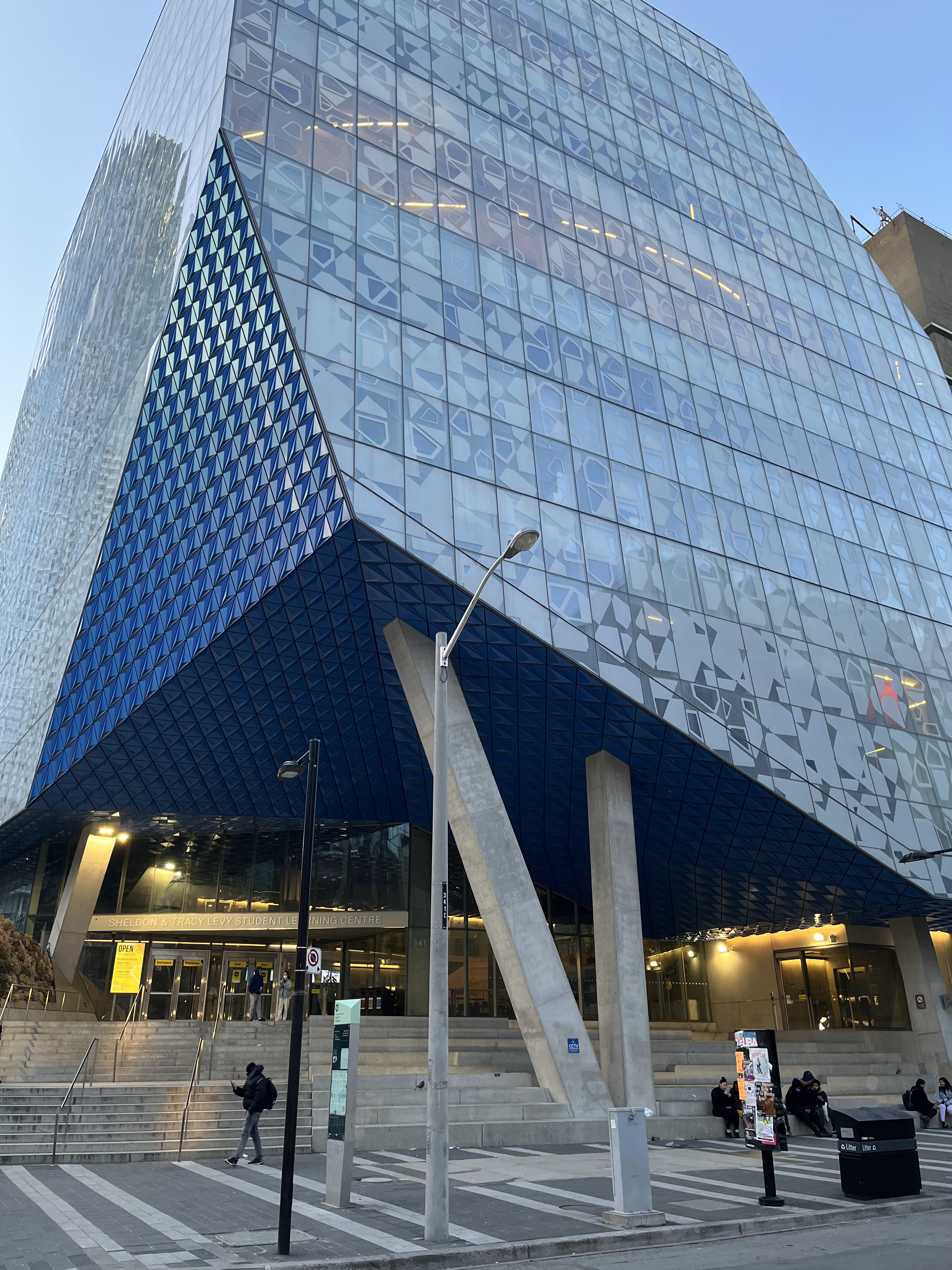
I recently spent time in downtown Toronto and found some great street designs, including Dundas Square - a walkable/event square surrounded by flashing billboards and shops of all sorts. It is like a kind of mini-Times Square, following the pedestrianization of former New York planner Janette Sadik-Khan.

Between the flower pot decorations, the latest tunes from loudspeakers and an evangelical huckster announcing his wares on one side, and a fashion photographer capturing the stylish gaze of his model on the other, Dundas Square seems chaotic at one glance and at another, deliciously exciting. It might generate plenty of activity, but there is nothing inherently crime-generating about this downtown corner. 

Unique Toronto architecture near Dundas Square


Dundas Square is an example of two ideas in SafeGrowth related to community design that have a huge impact on safety – or the opposite – and yet we seldom use them when we aim to build livable and safe places. 


SOCIAL STABILIZERS & CRIME DISRUPTERS

One is the concept called social stabilizers. The term was first coined as part of neighborhood livability in the late 1960s. The idea originally referred to people whose presence and activities help reduce disorder in a neighborhood. Today we draw the term from 2nd Generation CPTED to refer to safe congregation areas for pro-social activities and balanced land uses that minimize places that can tip an area into higher disorder or crime. 

The other concept is called crime disrupters - a term that is related, but different, from stabilizers. While planners can design social stabilizers into new neighborhood plans, for those who live and work in a community, it might be too late to add new designs. So they can use crime disrupters to alter problem areas. 

Street furniture, flowerpots, and plenty of
pro-social activity - stabilizing a downtown area


One example of crime disrupters is pop-up placemaking, sometimes called tactical urbanism. Because it is done by local residents, shop owners or property managers, tactical urbanism cannot only disrupt crime but also stabilize the safety of an area. 

I recently received a Bloomberg research report from my architect friend Mark Lakeman about the stabilizing effect of intersection repair programs on traffic accidents and neighborhood safety. 

Stabilizing neighborhoods and disrupting crime is as much a part of urban design and community building as any other activity. As we create livable communities, and as crime rates rise in our post-Covid era, we should tap into the urban design and community-building tactics at our disposal.


Tuesday, April 19, 2022

Bus stops and crime - 30 years later

Bus stop location in Scarborough not far from where
Paul Bernardo waited at night to follow and sexually assault women


by Gregory Saville

Between May 1987 and June 1990, Toronto police investigated the case of the Scarborough Rapist - Paul Bernardo. Scarborough is a sprawling suburb of Toronto and at the time the fear of a serial rapist spread across the entire Toronto metro like wildfire, especially along public transit lines. This notorious and horrific case is well-known in Canada and eventually led to the arrest and conviction of Paul Bernardo, the rapist (by that time, tragically, a serial murderer). 

I first learned of this case as a police patrol officer 25 miles west of Scarborough, but we knew very little about the facts at that point. Coincidentally, I was also in urban planning grad school at that time and one of my professors asked me to join a new group conducting field visits and safety reviews on the Toronto transit bus and subway system resulting from the Scarborough rapes. They created their audit form from research on CPTED and they were calling it a safety audit. 

That is how the safety audit was born – out of tragedy and necessity. 

Up to that point, fear of crime patterns was surmised from generic surveys, but specific geographical details were sketchy. We knew from interviews what residents said about fear, but little about the specific places that triggered those fears. The Safety Audit changed all that.


Today, many Scarborough bus stops are not much better than in the late 1980s


SAFETY AUDITS IN COLORADO

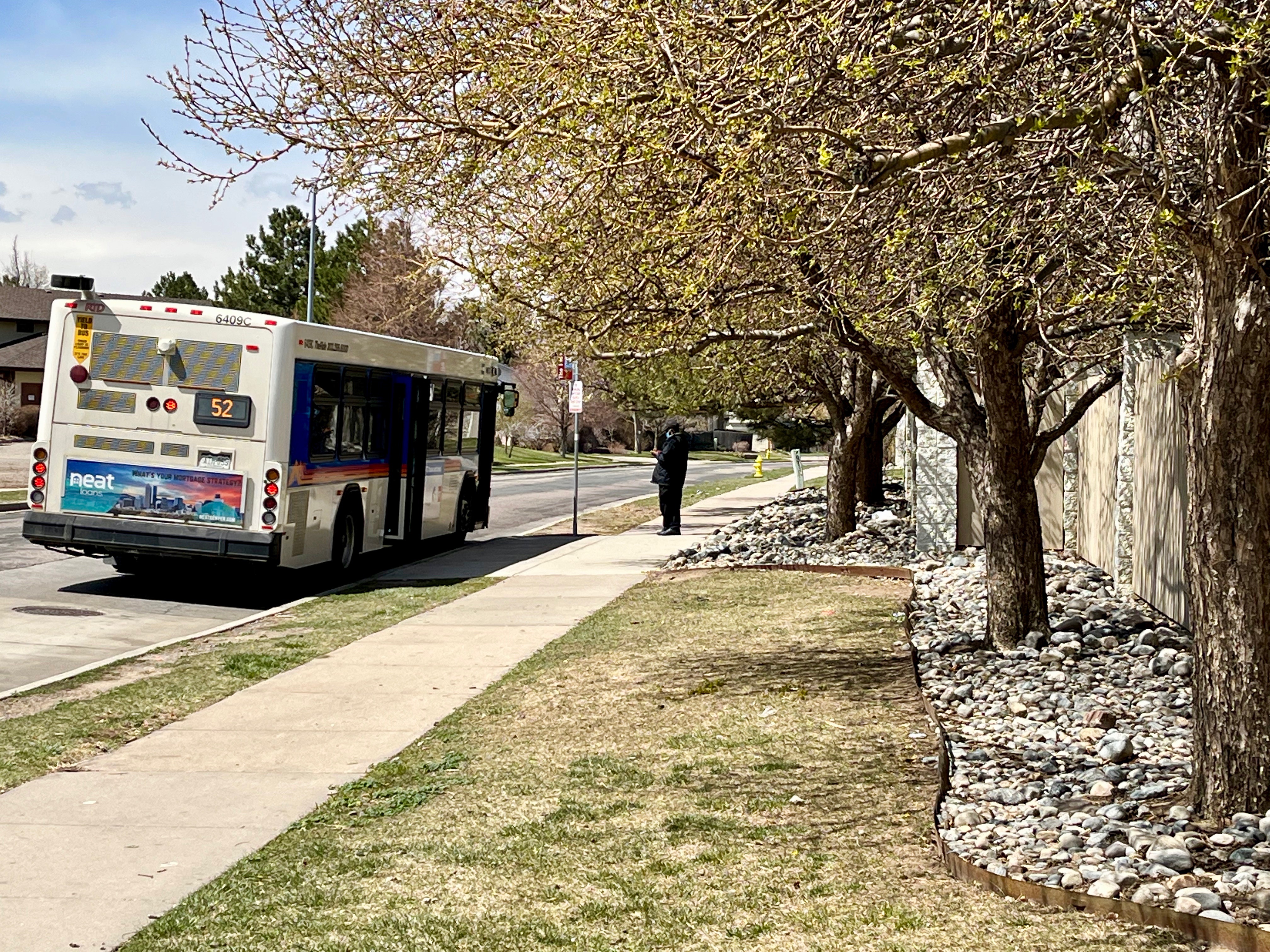
A few days ago I helped a local transit committee conduct their first Safety Audit on a bus stop near my home – the first audit of its kind in Colorado. 

What we found was fascinating. We discovered an isolated and remote bus stop location with few nearby opportunities for natural surveillance. We learned that bus drivers reported disorderly incidents on this route and that this stop was the end of the line and was nowhere near restroom facilities. We also uncovered a nearby shopping mall with numerous crime incidents, including a recently burglarized restaurant when we discovered a jimmied front door (we called the police). 

Thus, we were able to report a crime before the owner learned about it. I spoke to him when he arrived and, naturally, the poor fellow wasn’t happy! He was the latest victim of crime in this shopping mall next to our bus stop. 

As this transport committee learns how to use the Safety Audit process, they will eventually have the capacity to conduct other safety reviews across other parts of the transportation system. 


Metro Denver bus stop location a few days ago during our Safety Audit
- many similarities to other cities


SIMILAR AROUND THE WORLD

Safety audits are not new to this blog. Seven years ago, Tarah blogged on how to teach high school students the art of the Safety Audit in Every time they want to count you out – use your voice.

Four years ago I blogged on safety audits in A Tool for the Archeology of Fear. I described the mistake CPTED practitioners make when they confuse safety audits with CPTED surveys or visual checklist inspections. Some conflate Safety Audits with Jane’s Walks or Night-Out-Against-Crime. They too are wrong.

Then, two years ago, Mateja blogged on how she digitized our Safety Audit process for measuring fear in downtown Saskatoon.

What struck me this week is not how much the committee members enjoyed the Safety Audit process. That is a comment SafeGrowth advocates hear commonly during our training. Rather, the most striking thing was how similar design and location problems arise over and over at bus stops here and elsewhere. 

We have taught audits from Melbourne Australia, Christchurch New Zealand, San Diego California, and Calgary Alberta, to New York City, and Helsingborg Sweden. We usually uncover similar fear and crime opportunity risks in those cities just as they existed in Scarborough during the Paul Bernardo rapes 30 years ago. 

Will we never learn?