 |
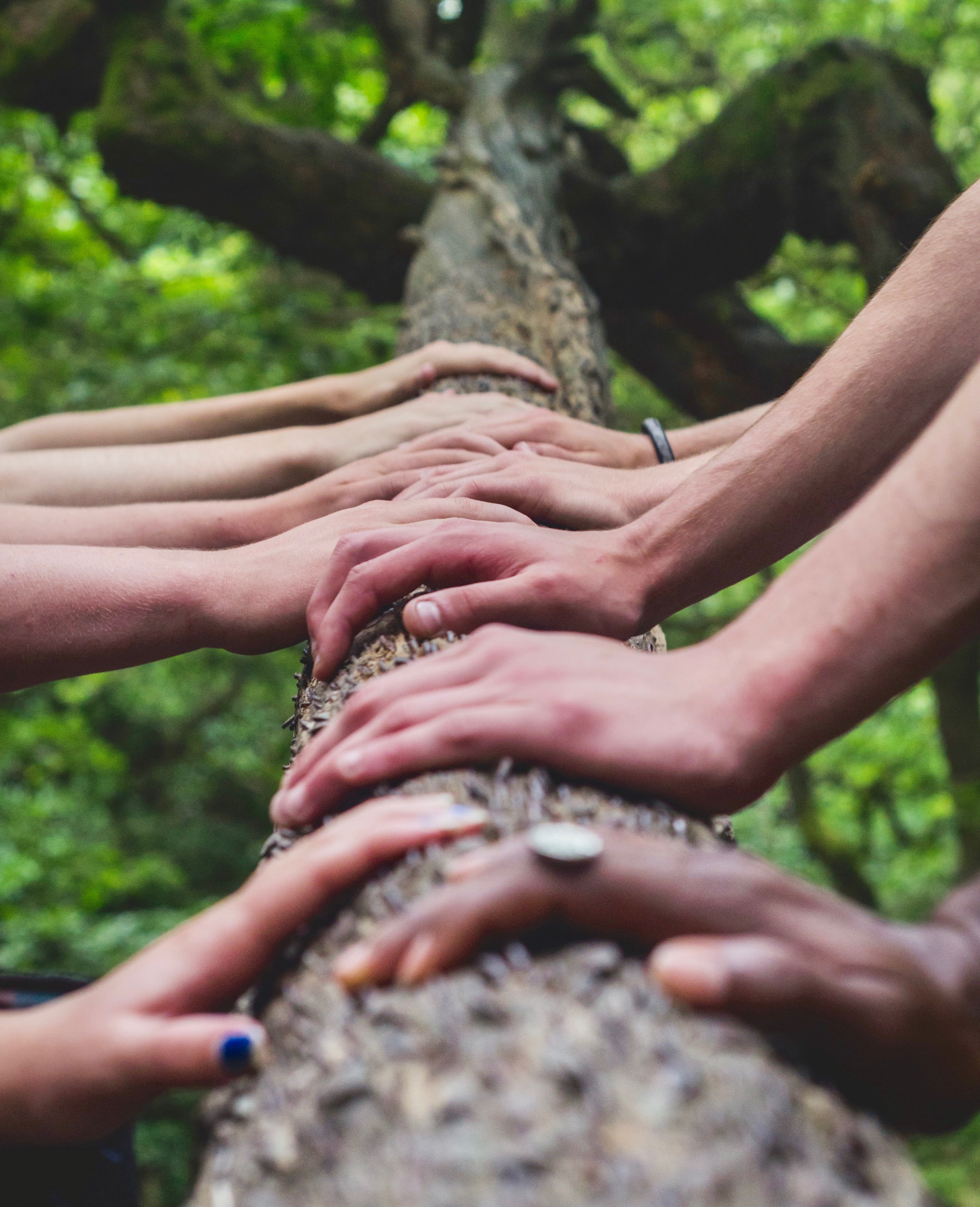
| Solidarity means caring for others - Photo - Shane Rounce (CC) |
by Mateja Mihinjac
As I reflect on the past year, I’m listening to pyrotechnics outside. Despite calls to give up pyrotechnics for the safety and peace of people and animals, our cities still sound like a warzone during New Year’s celebrations. This brought to mind solidarity with our fellow citizens.
This year has been yet another turbulent year for my country. One of the major events in 2023 was the August floods, the worst in Slovenia’s recent history.
People died in the flooding and many others had to vacate their homes due to water and mud damage and unsanitary conditions. Some lost their homes completely. Infrastructure in some towns was demolished and bridges once connecting towns with the rest of the country were suddenly washed away. Factories lost their equipment. Pets and other domesticated animals were separated from their carers.
 |
A destroyed bridge in the village Strahovica during Slovene floods - Photo by Anže Malovrh/STA |
Yet, during these difficult times, it was remarkable to see such solidarity amongst citizens, many of whom had previously never met. They organised themselves into groups and went out to neighbourhoods to help people with the clean-up. They opened their residences and temporarily housed others who could not return home.
Firefighters, rescue and emergency workers both professional and volunteer, risked their lives and worked around the clock to help save lives and possessions. Sports personalities, popular musicians and other public figures donated funds towards the rebuild. Everyday citizens dug into their pocketbooks and donated cash and whatever else they could.
SOLIDARITY FOUND
This kind of solidarity and unity – known by other terms in SafeGrowth such as social capital and social cohesion – is not uncommon during major catastrophic events. In our forthcoming SafeGrowth book next year, we dig deeply into the power of social capital and cohesion and we show how SafeGrowth employs it to transform troubled neighborhoods.
Over the years, we have frequently been brought into cities following natural disasters to help communities recover. Building social capital and solidarity is at the core of our work.
For example, we taught SafeGrowth to communities following the devastating 2011 earthquake in Christchurch, New Zealand. Before that, we brought it to the residents of the Hollygrove neighborhood in New Orleans, USA following Hurricane Katrina in 2005.
 |
| In Sweden, we discovered examples of community caring. This yellow area is called "A hello can save lives". It's a special space reserved for those who appreciate a friendly conversation - solidarity with others who might be lonely |
Both catastrophic events served as a catalyst for solidarity among residents within the neighbourhoods as they came together to rebuild their neighbourhoods. In Christchurch, people received strong institutional support from the city, including former SafeGrowth practitioner Sue Ramsay in her work with the West Riccarton SafeGrowth group.
In Hollygrove, residents received organisational support from non-profit organisations like the Louisiana chapter of AARP and the work of SafeGrowth practitioner and urban planner Jason Tudor.
 |
| SafeGrowth training in Palm Springs, California, 2023. Residents and police working together for the common good |
SOLIDARITY LOST?
In both cases above, a strong voice and unselfish actions came directly from local residents. Solidarity, it turns out, matters a great deal.
While such expressions of unity in the case of my country, as well as Christchurch and Hollygrove, make me teary with pride for fellow humans, I always wonder… Why does it take a catastrophe for people to step together? Will this connectedness last?
Only a few years back we experienced a similar sense of connectedness during COVID. Those were hopeful times when we believed this would become the new normal. We could see people starting to care more about each other and appreciating more their effects on environmental pollution. But it did not last.
Unfortunately, those “new” behaviours quickly returned to “normal”. Today people seem to be more alienated than ever. Analyses of that period suggest the initial wave of solidarity needs to be institutionally supported to retain its sustainability.
 |
| Kind greetings and saying hello - Solidarity starts simply |
2024
How can we increase solidarity and ensure it is not a fleeting phenomenon where people are strangers? How do we embed and teach social connectedness and ensure it flourishes not only when people are affected by a traumatic event?
I was taken aback several times over the past couple of months when fellow forest walkers thanked me for my kindness when all I did was kindly greet and exchange a few words with them! I expect this to be normal. Why has it become unusual to notice fellow beings and appreciate their presence around us?
Maybe, to enhance solidarity, we can start by simply paying more attention to people we meet outdoors, making eye contact, and greeting them. After all, they might just be the ones who save your life one day!
Have a happy, safe and peaceful 2024!


