Showing posts with label 3rd Generation CPTED. Show all posts

Tuesday, August 19, 2025

Building blocks for civic commitment - the key to safety

\
Reaching for livability and safety 
through civic commitment

by Larry Leach

The role of commitment in civic life is no different than the desire for a crime-free, livable neighborhood.

Do you feel emotionally tied to something? Maybe a sports team, celebrity, or politician? I do—with the British football club - Liverpool FC. The club’s unique culture is inseparable from the city’s history and tragedies. Before each match, as thousands sing You’ll Never Walk Alone, every supporter invests their own meaning. The song became Liverpool’s anthem in the 1960s, adopted from the version release by the famous Liverpool band “Gerry and the Pacemakers”. The atmosphere isn’t managed by the club—it’s owned by the fans. Why? Commitment!

Which came first, the club trusting the fans or the fans’ deep loyalty? I’d argue the latter. Commitment comes first.


More often than not, making connections between people
involves community events focused on food


What does this have to do with SafeGrowth? When it comes to building local capacity for cohesion, problem-solving and crime prevention, it means everything. Successful communities share the same backbone: history, shared experience, and commitment. 

SafeGrowth aims to help neighborhoods organize this energy and it does so by accepting that many of those people living there are the experts. As Mateja and Gregory wrote in Third Generation CPTED, it’s a holistic approach tying safety to public health, economic vitality, and quality of life—anchored in community engagement and ownership.

Maslow reminds us that our personal needs for safety, belonging, esteem, and self-actualization come from many different sources, but they all depend on relationships. 

Sociologist Robert Sampson clearly revealed in his landmark research about collective efficacy, how, in many places (especially high crime places), those community ties have eroded. To restore them requires personal commitment. I’ve seen it in twenty years with my Community Association: real progress happens only when people stop dipping toes and fully commit.


Psychologist Maslow's heirarchy of individual needs overlaps
with quality of neighborhood life described in 3rd Generation CPTED


When I was Soccer Association President, someone joked, “You can’t ask a coach what they’re doing for the next five years.” Yet if you want a coach who teaches life lessons and inspires kids, that’s exactly the kind of long-term dedication required.


COMMITMENT FROM THE GROUND UP

How do we build it? There are two keys:

1.     Recognize that each community must be itself—not a copy of another. New York isn’t Paris; Tokyo isn’t Sydney. Great cities learn from each other, but they thrive on uniqueness and history. Communities must do the same: discover their assets, embrace their story, and commit to the work ahead.

2.     Strong leadership draws in strong members. Projects completed together build pride and belonging. That is why SafeGrowth Livability Academies create a pool of community leaders and use problem-solving projects to start the process.

Every time I pass the youth centre where I volunteer, I’m reminded that commitment is not abstract. It’s bricks, voices, and faces. That’s the kind of belonging every community deserves to feel—and the kind of legacy we leave when we choose to stay committed. When we choose to stay the course together, we don’t just build places—we build meaning.”


Thursday, June 19, 2025

Beyond the basics: How SafeGrowth and Third-Generation CPTED reimagine community safety


The 2025 CPTED conference and SafeGrowth Summit in 
Palm Springs, California

by Mateja Mihinjac

Last month, we held our 2025 ICA International CPTED Conference in Palm Springs

alongside a SafeGrowth Summit with our global network.

Our conference theme — Community Building and Empowerment: A Holistic CPTED Approach — framed much of the discussion. As Greg Saville and I prepared our conference session months earlier, we identified three essential criteria for CPTED to be truly holistic:

  • It must be proactive
  • It must be integrative
  • It must be grounded in community building.

Both SafeGrowth and Third-Generation CPTED meet these benchmarks — and our session explored exactly how.


Expanding on the latest developments in Third-Generation CPTED at the
2025 ICA CPTED Conference

PROACTIVE 

A proactive approach means tackling the root causes of crime before it happens. CPTED exemplifies this by using strategies that both reduce opportunities for offending and encourage local communities to take an active role in prevention — dissuading potential offenders while reinforcing pro-social behavior.

Thinking proactively about crime problems is powerful because it relies on anticipating the problem by taking proven measures to prevent it in the first place.


INTEGRATIVE

I’ve written about reductionist approaches to understanding and responding to crime in a blog a few years ago.

In that blog, I claimed that crime prevention professionals and researchers need to approach the problem by working together in an integrated way to fit solutions to the context, economy and politics of each neighbourhood. We can achieve this by thinking pragmatically about the problem(s) and integrating physical, social and psychological approaches to the extent each of them is required to respond not only to symptoms of the problem but to also address the underlying reasons that have culminated in the crime problem(s).


Trees, forests, hillsides, meadows, mountains - the bio-physical world integrates ecosystems naturally. The social world needs theories that do the same. 

This element is vital to holistic crime prevention because it brings together different perspectives to better understand the problem — and to craft the most effective, tailored solutions.


BASED ON COMMUNITY-BUILDING

People from communities that are cared for, care for each other. This is why investing in neighbourhood communities – both financially and through building social capital – pays major dividends in the long run. This is nicely demonstrated in Larry Leach’s blog in which he writes about the importance of strong bonds between the residents to help address addiction, a major issue that affects many neighbourhoods and may manifest in an overflow of drug-related crimes.

Community building that is both engaging and empowering is therefore a key element of holistic crime prevention because it ensures that those most affected by the problems in their neighbourhood get empowered to play an active partnership role in addressing those problems.

How well do CPTED and SafeGrowth satisfy these criteria? 


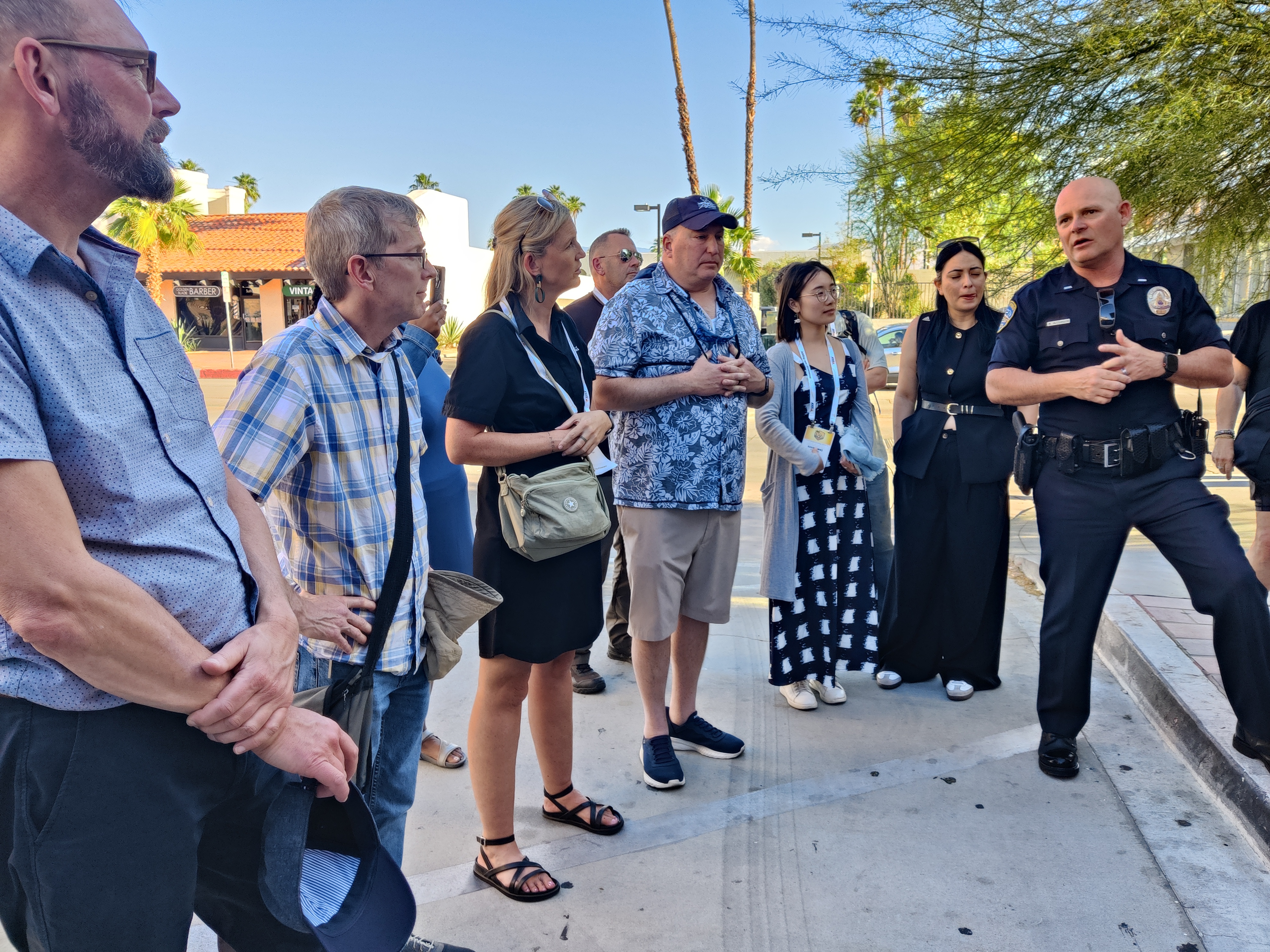
Conference participants worked on designing CPTED elements 
into a local park during site visits

CPTED

Greg and I conceptualised the theory of Third-Generation CPTED as a holistic and integrated approach. 

With this we intended to demonstrate CPTED can contribute powerfully to safer and more liveable neighbourhoods that move beyond merely satisfying basic biological and safety human needs, which First-Generation CPTED can be effective in securing through its proactive nature in addressing crime problems. 

We also argue that Second-Generation CPTED, has the power to address the social level needs and build neighbourhood capacity. This is done collaboratively with those within the neighbourhood and with other stakeholders to address local problems, but it still falls short at the “integrative criterion”. 

By adding a psychological dimension to CPTED’s established physical and social layers, we aimed to address the complexity of modern neighbourhoods — places where safety and livability go hand-in-hand with deeper human needs like self-actualization and transcendence. We propose this can be achieved through four pillars of sustainability: health, social, environmental, and economic.


Lt William Hutchinson, Palm Springs Police, is fully trained in the SafeGrowth/CPTED method.
He helped facilitate site visits for conference participants

SAFEGROWTH

As a neighbourhood safety planning method inclusive of CPTED, SafeGrowth has a strong foundation in all three elements.  

By planning safe neighbourhoods where local residents take an active and empowering role, proactivity and community building are the heart of SafeGrowth. Neighbourhood safety teams learn how to identify problems and develop solutions to existing problems. That is how they build a long-term plan of priorities to prevent problems from occurring in the first place.


Integrative crime prevention planning must, by definition,
involve residents from the neighbourhood


The integrative nature of SafeGrowth happens by embedding CPTED at all levels of safety planning and by using scientifically-proven crime prevention and social programs that align to each neighbourhood’s problems. There is no cookie-cutter approach in this method. Any program the neighbourhood adopts is directly tailored towards addressing that neighbourhood’s needs. 

The integrative power of SafeGrowth lies in its fusion of CPTED with science-backed prevention and social programs tailored to each neighbourhood’s unique challenges. These aren’t one-size-fits-all solutions — they’re built from the inside out, by and for the community.

I can no longer imagine addressing complex crime issues through unilateral responses. My hope is that holistic thinking — about both problems and solutions — becomes the new normal, so we can create responses that last.


Thursday, April 17, 2025

What If happiness was the secret to safer streets?

While certainly not perfect, Vancouver, Canada is often ranked as one of the world's most livable cities with plentiful opportunities for engaged neighbourhood living  

by Mateja Mihinjac

When Greg Saville and I introduced liveability as a central concept of Third Generation CPTED, we did so with a clear question: how can we create a highly liveable neighbourhood to promote opportunities for individual and social well-being? The “neighbourhood”—also a core unit in SafeGrowth—therefore plays a key role in ensuring liveability. It also appears to play a key role in happiness. 

There is a mountain of research about the concept of the “neighbourhood” – especially in the urban sociology literature. Social researchers at the University of Chicago began defining neighbourhoods from the perspective of crime prevention as far back as the 1920s. That work continues today under the umbrella of Robert Sampson’s concept “collective efficacy” – at least within the field of criminology. 

However, in the urban planning world, the concept of neighbourhood cohesion and liveability is well entrenched as an empirical reality. In 2013, Charles Montgomery published his book "Happy City - Transforming Our Lives Through Urban Design” to capture the flavour of a happy and flourishing city. From his view, happiness was more than pleasure – it was how interested and engaged you are in neighbourhood life.

Happiness, it appears, is not just a feeling. It has powerful implications for safety. Our work in SafeGrowth confirms that thesis. 

But what of the concept of “happiness”? What defines that? 


Safe public access to beautiful natural scenery and a quiet sunset walk. Many cities limit beachfront and water access for private property owners and thus deprive opportunities for such moments.

INSIGHTS FROM THE WORLD HAPPINESS REPORT

Every year, the World Happiness Report uses data from the Gallup World Poll, which surveys around 1,000 people in over 140 countries. People are asked to rate how satisfied they are with their lives on a scale from 0 to 10. The survey also includes questions about kindness, generosity (like donating to charity or helping a stranger), and trust (for example, whether someone believes a lost wallet would be returned by a neighbour, a stranger, or the police).

For the seventh year in a row, Finland has been ranked the happiest country in the world. What’s behind their success? Researchers point to two main ingredients: generosity and trust.  

People in Finland believe they can rely on others and feel connected to their communities. This sense of expected kindness—knowing that those around you will likely help you out—is a powerful driver of happiness.


Colourful street celebrations, festivals, music, and dance.
Plentiful street activities offer opportunities for joy. But that is only
one part of the story. Generosity and Trust are key.  

DO HAPPY PEOPLE MAKE SAFER NEIGHBOURHOODS?

The World Happiness Report shows that strong social connections are key to our happiness and well-being, and those connections often start in our neighbourhoods.

From our work with SafeGrowth, we’ve seen how important well-designed, healthy, and socially active neighbourhoods are for safety. Things like good housing, walkable streets, local shops, youth activities, clean parks, good lighting, and public art all help create places where people want to spend time and connect with others.


The public realm is key for happiness. Careful urban design of
public spaces matter, like sitting spaces to watch street life.


Just as important are the relationships people build—what we call social cohesion. When neighbours trust each other and work together, they create safer, more livable communities.

Traditional CPTED focuses on controlling the physical environment to reduce crime, often through what's known as “crime opportunity theory.” But we believe something is missing in that approach: the opportunity for people to build positive, supportive relationships and enjoy a high quality of life. 

It’s not just about eliminating crime opportunities – it’s about creating opportunities for people to choose a better path forward. It’s not just about reducing crime—it's about creating the conditions for a good life. This is a kind of “livability opportunity theory”. And that begins right in the neighbourhood.


Tuesday, July 23, 2024

A new metric is in town - The Serene City Index

Central Park in Manhattan in the heart of New York City - quiet, green, and tranquil

by Mateja Mihinjac 

Since I got a new puppy a few months ago I have been more attuned to the quality of the surroundings in my living area, especially the noise and cleanliness. Anyone with a puppy knows they get distracted by every unusual sound or scent. This experience has offered a new look at my neighbourhood and made me appreciate serene neighbourhood pockets even more. Serene means a place that is tranquil, calm, and free from disturbance - an important quality in city life. 

We have previously written about the Livability Index. The Happy City Index, and the Sustainable Cities Index are two other popular ratings of selected measurements that rank worldwide cities.

Now a new metric has emerged - the Serene City Index.


Waterway in Ljubljana, Slovenia - water features can slow the pace of life
and provide natural serenity

SERENE CITY INDEX

According to the author of Serene City Index, MoneySuperMarket, this rating was developed to help travellers determine the most and least relaxing destinations to visit. Ratings are based on assembling information from existing databases for 75 cities around the world based on the following criteria: 

  • average air quality, 
  • artificial light pollution levels, 
  • noise pollution, 
  • traffic congestion, 
  • sunshine hours, 
  • overall tidiness, 
  • country happiness, 
  • green space, and
  • the friendliness of locals.

These indicators are not only relevant to visitors but also (and probably more importantly) to residents of a city who live with excess noise, pollution, or limited access to green spaces. 


The scale, speed, and intensity of modern roadways make serenity difficult
- photo courtesy of Pixabay in Pixels


THE SCALE 

One concern with measuring and ranking based on any indices is the scale at which they are collected. In SafeGrowth, we focus on the neighbourhood as the core unit of people’s everyday experience. Ideally, that is where they spend most of their time and, if they perceive their neighbourhood as liveable, they will form attachments and connections to that place and the people within it. This is the very essence of the concept of territoriality in 1st Generation CPTED and social cohesion, in 2nd Generation CPTED.

Thus, as with crime concentrations and liveability levels, serenity may also differ significantly between neighbourhoods within the same city. That could make generalisations to the whole city somewhat misleading. This is an important limitation to keep in mind with the serenity index. 


Serenity through easy access to relaxing and clean park amenities

THIRD GENERATION CPTED CONNECTION

In her blog on noise pollution, Tarah already wrote about liveability being more than the absence of fear and crime, which we postulate in our Third Generation CPTED writings.

Noise, like other aspects of our immediate living environment, impacts physical and mental health outcomes. It should not be disregarded. The research we document in Third Generation CPTED suggests they can ultimately also lead to crime issues. 

The Serene City Index incorporates elements within the immediate living environment that may lead to frustration, irritability, anger, or depression. These are the very kinds of psychological factors that demand special consideration in future CPTED research and practice. 

Researchers and practitioners seldom include these factoring into their plans and research. It may be time to reconsider that habit. Further, it is also time to reconsider the scale at which we practice crime prevention and planning when it comes to community building. This is a lesson we learned long ago in SafeGrowth - when it comes to creating safer and more livable environments, it is the neighbourhood scale that matters most. 


Sunday, March 31, 2024

Liveability - the key to success in community development

Liveability is not only physical infrastructure - Photo courtesy of Denys Nevozhai - Unsplash

by Mateja Mihinjac

What is liveability? Liveability is one of those buzzwords that has been used extensively in urban development and city planning circles. Yet, it is one of those words that mean different things to different people and organisations and they rarely offer a consensus on what it means.

For example, the Online Cambridge Dictionary defines liveability as “the degree to which a place is suitable or good for living in”.

The organization, Partners for Livable Communities, takes a more specific approach: “Livability is the sum of the factors that add up to a community’s quality of life—including the built and natural environments, economic prosperity, social stability and equity, educational opportunity, and cultural, entertainment and recreation possibilities.”

Different definitions of liveability raise some important questions. Is liveability simply a binary concept? What parameters should it consider?


IS IT JUST BINARY?

Over the years, and especially since Greg Saville and I wrote our first article on Third Generation CPTED in 2019, I’ve had interesting discussions in professional circles about liveability.


At some point, liveability must mean the perspectives of people


First, I am asked about levels of liveability. In our article, Greg and I proposed neighbourhood liveability exists on a spectrum from advanced level to moderate and basic level neighbourhoods. An advanced-level neighbourhood will be highly liveable and offer opportunities for addressing the lowest and the highest level personal and social needs. Conversely, the neighbourhood at the basic level will generally have a bare minimum infrastructure and services for addressing the basic level physiological and psychological needs.

Sometimes, I am asked whether liveability exists or it doesn’t exist – a binary relationship. That would mean we should classify neighbourhoods as either liveable or non-liveable. 

In our view, liveability should be assessed on a spectrum similar to that of personal health. There are many levels of health with a multitude of contributing factors; we don’t simply say one is healthy while another is unhealthy. Similarly, as we describe in our 3rd Generation article, liveability of a neighbourhood has many facets that may contribute to higher levels of liveability in some categories and lower in others.

Existing liveability indices support our view. The continuum of liveability shows up when world cities are ranked based on their liveability scores in relation to economic, health, physical, and social factors. Organisations using these indices affirm there is a continuum of liveability. 

For example, 

  • The Economist’s Intelligence Unit assigns different weighing to categories of stability, healthcare, culture & environment, education, and infrastructure to calculate the total index. 
  • Mercer’s Quality of Living City Ranking uses categories of political stability, healthcare, education, infrastructure, and socio-cultural environment. 

These are just some examples of why it appears unproductive to refer to liveability as a binary concept.


Integrating green with concrete infrastructures can improve livability - Photo courtesy of Unsplash

WHOSE LIVEABILITY PARAMETERS?

Another point of contention is the categories employed when evaluating liveability. The Centre for Liveable Cities points to the tangible elements associated with physical infrastructure and availability of services like housing affordability, road access, school, and shopping access.

Undoubtedly, such services are paramount for a good quality of life. Unsurprisingly, cities like Singapore and Vienna score highly on the liveability scale largely due to these types of elements. 

But a question remains: Should we rely on those categories defined by the organisations conducting liveability surveys? Or should we delve deeper and identify what liveability means to people living in a particular neighbourhood? 

Our choice is the second option – liveability should be based on residents’ assessment of whether their needs and desires are being addressed where they live. This might make comparisons between neighborhoods difficult and it will surely annoy evaluators. However, the methodological needs of the evaluators seem secondary to the needs of the residents. It seems more realistic to ask those who actually live in a place to define their own perceptions of where they live. 


Liveable cities offer social places - Photo courtesy of Toni Ferreira, Unsplash

IT'S PEOPLE! 

One thing is certain: liveability should put people and local communities at the centre. This view is supported by many different sources. For example, consider the website of Partners for Livable Communities. They too identify people as the greatest resource for community change.

It is also identified by the senior communications adviser for the Congress of New Urbanism, Robert Steuteville, who asserts the importance of walkable and integrated living environments for building social capital and promoting a sense of belonging within a community.

Another supporter emerged in a recent interview with urbanist Richard Florida. His view was that the key element of liveability centers around community building, housing affordability, and access to health & wellness.


TO-FOR-WITH

From our perspective, liveability starts with people. The core philosophy of SafeGrowth is the TO-FOR-WITH principle – we aim to work as much “with” residents in a place rather than delivering programs “to” them or “for” them. It has historical roots in sociology and community development going back to the action research studies of the last century. It was the method employed in our successful SafeGrowth work in New Orleans.

Instead of relying on professional agencies to identify liveability categories, or discussing whether some city or neighbourhood is liveable or not, we need to start paying more attention to people. We must find out what liveability means to them and what they need to improve it. 


Tuesday, October 31, 2023

Brazil & the Next Gen R/Evolution

Venue for the 2023 ICA CPTED Conference is Sao Paulo, Brazil. The largest city in the Americas has a metro population over 20 million - photo Wiki Creative Commons

by Gregory Saville

It’s Halloween today and the goblins and ghosts are looking for treats. An interesting ghost from my past appeared today, triggered by an international conference in Sao Paulo, Brazil this week. It all started 28 years ago…

In 1995 I ran an urban planning/criminology consultancy with my former business partner, Paul Wong in Vancouver, Canada. Our work in Crime Prevention Through Environmental Design (CPTED) had expanded across Canada and we were becoming alarmed at what we saw. The first CPTED publications were holistic, neighborhood-oriented, and they combined social programs with physical designs to cut crime opportunities. 

However the CPTED that we saw in some places was not holistic. It had de-evolved into target hardening, locks, and lights. There were very few guidelines and no certification programs. To our dismay, we discovered that the public, and municipalities across the world, had no clue about the failing quality control problems in CPTED. 


SOMETHING NEEDED TO BE DONE  

Basically, we located a like-minded CPTED practitioner, Barry Davidson from Calgary, Alberta, and in 1996 we launched the first-ever practitioner/researcher CPTED conference in Calgary. Thus was born the ICA - International CPTED Association - the first-ever global, non-profit, CPTED professional association. I have written a prior blog on the history of the ICA. 

With chapters all over the world, the ICA is the premiere global organization for professional CPTED in research and practice. Most recently, members of the ICA collaborated with others in the International Standards Organization to design and implement the first-ever, global CPTED standard, ISO 22341:2021 - “Guidelines for crime prevention through environmental design”. 


CPTED USA is the latest ICA chapter


The ICA has a talented and diverse board of directors from around the world and most recently, the ICA approved two new affiliate chapters – the CPTED USA and CPTED/PCAM Canada


ICA IN BRAZIL

This week the latest ICA conference - Safe Cities by People - is underway in Sao Paulo. I was unable to attend this year, but my colleagues Gerard Cleveland and Mateja Mihinjac will present a special session on the R/Evolution in 2nd and 3rd Generation CPTED. They will describe the latest advances and research in CPTED. Second Generation was launched in 1997 at the second-ever ICA conference in Orlando, Florida. Third Generation was launched by Mateja and myself 5 years ago at the ICA Conference in Cancun, Mexico. 


Most exciting is the announcement by Mateja and Gerard of two new publications. 

  • The first is a forthcoming book in 2024 by Mateja, Carl Bray, Jason Tudor, and myself, called Return to Walden.  That book presents the latest in the SafeGrowth method, to which this blog is dedicated. 
  • The second is Gerard and Annie Morrison’s new book Tier Teaching about better methods of teaching, learning, and safety in our schools, where the seeds of delinquency and dysfunction are planted, or removed, through competent education and educators. 


I am disappointed to miss this conference but to help Mateja and Gerard, I prepared a short video intro for their presentation today. Best wishes to all at the Sao Paulo ICA conference. 


Saturday, July 29, 2023

Energy poverty - emergency preparedness through social cohesion

Asphalt roads, brick and steel buildings, and a lack of greenery in cities - the concrete jungle exacerbates environmental heating


by Mateja Mihinjac

We have written on several occasions about food deserts and its counterpart, food oases. The contrast between the two signifies easy access to fresh food options on one extreme and lack of access on the other. Individuals and neighbourhoods of lower socio-economic status are likely to be in the latter group.

Now a similar concept – energy poverty – has emerged that similarly highlights the disparity in access to energy resources between poorer and richer countries, neighbourhoods, and individuals.


ENERGY POVERTY 

The European Commission writes: “Energy poverty occurs when energy bills represent a high percentage of consumers' income, or when they must reduce their household's energy consumption to a degree that negatively impacts their health and well-being.”

Causes of energy poverty include three factors: low income, high energy needs due to inefficient housing, and high energy prices. 


Colourful water features in urban areas provide a cooling and
refreshing break from summer heat


The topic of energy access has become a policy agenda across Europe during the energy crisis that was triggered by a post-COVID recession and the Russian invasion of Ukraine. Estimates show that between 50 and 125 million people in the EU are energy poor.

This has worsened during winter months due to a surge in energy costs and, as a result, EU member states were instructed to reduce energy consumption. Clearly, environmental threats are embedded in the livability of our future and present neighborhoods.


SUMMERTIME ENERGY POVERTY

The issue of energy poverty is now a hot topic of public discourse following months of summer heatwaves along the Mediterranean region of Europe, especially concerning reduced access to cooling in homes. According to the Institute for Spatial Policies “The cooling and comfort in public and private spaces during summer months have to be recognised as important aspects of the current understanding of energy poverty and have to be considered when adopting new measures and policies.” 


Third-Generation CPTED includes environmental sustainability
Living/green walls help to cool streets and provide a respite from heat and concrete   


Urban areas are prone to overheating during the summer months due to their structure, paved roads, lack of greenery, and the increasing number of vehicles. Moreover, the elderly, isolated individuals, and single-parent families are amongst those most affected.

Summertime energy poverty is a particular threat because it creates unhealthy living conditions and directly affects those most vulnerable such as the elderly, children, and those with preexisting conditions. While energy poverty is no longer a concept limited to developing and poorer countries, there is a higher risk in those countries that are unable to produce sufficient food or manufacture essential products. 


THE FUTURE

Undoubtedly, countries should tackle the issue of energy crisis by commonly proposed measures such as the kinds of strategies we describe in 3rd Generation CPTED, such as integrating more green urban spaces and street vegetation in its urban environment, designing energy-efficient buildings and refurbishing existing buildings while utilising renewable sources of energy.


Well-designed and safe urban parks - A response to climate change from the past

In SafeGrowth social sustainability also plays a crucial role, especially during unpredictable times where environmental, political, and health events have become a new normal. Governments respond to these crises with emergency preparedness programs. We believe that emergency preparedness needs to be anchored within the neighbourhood itself – amongst the residents who collectively take preventive actions before, during, and after the crises. 

To tackle the summer energy crisis perhaps one response might be pooling resources to help one another and organise “cool places” for those in need. Or the residents could work together to work towards renewable energy self-sufficiency for the neighbourhood thus building energy oases. Such collective action offers the potential for taking steps against the climate crisis as well as for building resilience once the crises have emerged. 

Environmental sustainability is the path to high-quality neighbourhoods and livable cities in the years ahead. 


Tuesday, February 28, 2023

Reconciling safety and sense of place

The New Jersey chapter of the American Society of Landscape Architects
2023 annual conference - Atlantic City


by Mateja Mihinjac

Safety and crime prevention frequently evoke mental images of CCTV, gates, locks and the police. Crime prevention and security professionals (myself included) are often guilty of putting on the thinking hats of potential offenders as we develop solutions. Instead of focusing on the overall liveability of a place, we too often recommend solutions for places that prevent undesirable activities and produce sterile and uninviting places for desirable uses.

I recently spoke about Crime Prevention Through Environmental Design (CPTED) at the 2023 Annual Meeting of the New Jersey chapter of the American Society of Landscape Architects (NJASLA) in Atlantic City. I made it clear through my keynote address that safety and a sense of place can coexist. The conference’s theme – Sense of Place offered a great opportunity to discuss this conundrum.

While feeling somewhat out of place as a criminologist amongst landscape architects, I was pleased to have had the opportunity to offer some basic understanding of CPTED. I was especially excited to discuss its application to landscape architecture. These professionals are in an ideal position to ensure that places are not only attractive and aesthetically pleasing but also safe, inviting and inclusive thus inducing a sense of place. 


Bright colour, busking, people watching, and fun activities in the Queen Street pedestrian mall, Brisbane, Australia - sometimes a sense of place can involve buskers


SENSE OF PLACE

Sense of place is generally associated with positive perceptions of places. The attributes that contribute to a sense of place deal with the emotional, cultural and historical connection to that place. 

Sense of place is also associated with factors that make it special and unique and that foster sense of belonging to that place. A sense of place emerges in locations where people get attached to the space and where they love to spend time. It is a place that they identify with. 

So how can we create a sense of place through CPTED?

In 3rd Generation CPTED, Greg Saville and I emphasise the importance of designing places and building neighbourhoods that offer more than basic amenities for their users and inhabitants. Traditional 1980s CPTED (1st Generation CPTED) focused on preventing crime opportunities, not on overall liveability, and it often led to target hardening and hostile architecture (in many places, it still does). 

For people to form attachments and connections to places they need to feel part of those places. This can be achieved most powerfully when users are involved in the design and activities of those places.  

Our work in SafeGrowth teaches us that applying all three generations of CPTED offers a more powerful way to integrate the elements for safe, inclusive and inviting places. 


Greenery and places to sit comfortably can offer a respite from
busy streets - Greenwich Village, New York  

THE CPTED LINK

While 1st Generation CPTED helps us address the specific concerns that offer opportunities for crime in small spaces, 2nd Generation CPTED goes beyond that with its neighbourhood focus. It helps us address the underlying social conditions and it deals with the neighbourhood dynamics that lead to disadvantage, disengagement and lack of interactions between people. 

The latest variation on the CPTED theme is 3rd Generation CPTED. It focuses on sustainable liveability outcomes and aims at addressing the advanced-level needs of neighbourhoods and those who dwell there. Because it is directly tied to the highest level of psychological and emotional needs and desires, 3rd Generation CPTED is closely associated with fostering a sense of place. Linked to Abraham Maslow’s hierarchy of needs, (and supported by modern research in developmental biology and neuroscience), the hierarchy of needs is a new way to think about neighbourhood health and safety.

This full, holistic version of CPTED offers a powerful tool for designing inviting places that foster identity, offer ample opportunities for socialising, and create a positive sense of place. This is especially the case when the users of those places are directly involved in the community-building process.


Dismal landscaping will detract from a sense of place - unsafe behaviour can follow 


CONCLUDING THOUGHTS

This holistic CPTED thinking directly translates into one component of SafeGrowth that utilises all three generations of CPTED. However, as a neighbourhood planning method, SafeGrowth takes this a step further. It trains neighbourhood residents and builds their capacity to identify neighbourhood problems and create solutions, thus fostering the local community's sense of place and belonging. 

Landscape architects and planners must become integral members of multidisciplinary neighbourhood teams to help the residents realise their vision for safe and liveable places. 


Sunday, January 15, 2023

The streets of Mendoza


by Tarah Hodgkinson

In previous blogs, we have spoken about tree canopy and its correlation with reductions in not only heat, but also crime. Indeed, 3rd Generation CPTED now includes environmental sustainability as a central strategy for safer places. I recently experienced this firsthand during travel to South America.

One of the wonderful things about travel is the opportunity to see beyond your view of the world to another way of doing things. I was reminded of this during a recent trip to Mendoza. 

Mendoza is a city in Argentina home to one of the best wine regions in South America. Beyond the wine, the city itself is really interesting. Situated in the desert, Mendoza is subject to the extreme desert heat. To combat this, the streets are lined with trees. 


Indeed, the streets of Mendoza feel welcoming and engaging. You can instantly feel the difference in heat when you leave the treelined streets and enter one of the city’s many parks. 

This commitment to tree cover exists in the cities and also along the routes to the original olive farms and vineyards. This was done to protect the agricultural produce during transport so it wouldn’t spoil. It also protected the drivers. 


However, it wasn’t the tree canopy that really caught my attention, rather it was the infrastructure that supported the trees. Throughout the city, deep canals collect and supply water to the trees. These “acequias” were originally designed by the indigenous peoples of what is now known as Mendoza. Despite the destruction of much of the Indigenous peoples and culture by colonizers in the 16th century, the canal system remained. 

However, while the canals are imperative to supporting the survival of these trees, and contribute to the liveability of the city, they also pose a huge physical risk. This is because the canal system is wide open. 


PHYSICAL SAFETY

In speaking with local residents about the canals, many told us stories about people walking home at night, missing a step, falling in, and getting hurt. They shared that this was often tourists, or people unfamiliar with the area, but after a few beers, the locals were just as susceptible.  But this risk seemed to be an accepted one, in order to maintain the trees. 

As someone trained to see the city in a particular way, I couldn’t believe that these canals weren’t covered with grates or something else that might protect people from falling in and getting hurt. Coming from North America, where liability is everything, it was interesting to be thrust back into another culture that prioritizes other values. 


It also reminded me that our western view isn’t necessarily the right one. For example, an extensive grate system is quite expensive and may not be achievable. Or perhaps they have agreed to trade one form of safety (physical), for another (heat exhaustion), with the acknowledgment that you can just look where you are going. Either way, the result is absolutely beautiful – albeit a little tricky to navigate. 

So, if you are heading to Mendoza, watch your step! 


Wednesday, October 5, 2022

Quality-of-life policing - re-dressing broken windows?

With the increase in street disorder and homelessness, NYPD has
reinstated the controversial "Quality-of-Life" policing strategy


by Mateja Mihinjac

Over the past few years, there has been a growing focus on improving liveability and quality of life within neighbourhoods and cities. This includes our conceptualisation of 3rd Gen CPTED – Third Generation Crime Prevention Through Environmental Design (CPTED) – a theory capitalizing on the concept of liveability that embeds safety from crime and fear.

One potential manifestation of this liveability trend translates into policing with an increasing emphasis on quality-of-life enforcement where individuals are targeted for minor offences and misdemeanours that contribute to crime and disorder. 


QUALITY-OF-LIFE POLICING IN NEW YORK CITY

Quality-of-life policing has been most prominent in New York City, which is undergoing an interesting change under the leadership of new Mayor Eric Adams.

After years of a downward trend in arrests and incarcerations for misdemeanour offences, stats for these activities have started to increase owing to a new stricter enforcement of so-called petty crimes. The petty crimes include fare evasion, petty theft, jumping subway turnstiles, sleeping on a park bench, taking up two seats on the subway, public drinking, public urination, dice games, and similar. According to reports, arrests for these offences have jumped by 25% between January and June of this year.

Nearly 90% of those arrested were people of colour.

This is the first increase since 2014 and the first significant increase since 2007 when the stop and frisk practice was ruled unconstitutional. 


Street incivilities, like graffiti, have returned to New York City


Yet the NYPD maintains that New Yorkers desire, if not demand, addressing the quality-of-life issues. They justify this with a poll showing three-quarters of respondents stated they perceive crime as a very serious issue. 

Of course, the survey simply reflects public perceptions of crime and quality of life, not what specifically the community would like done about crime and quality of life. To translate that into quality-of-life policing would seem to commit the error of what policing expert Professor Herman Goldstein called the “means over ends syndrome”, the process whereby police conflate the ends with the means and place more emphasis on the policing operational tactics than on effective solutions that actually resolve the problem at hand.


Quality-of-life policing enforces minor offences,
like littering and dogs-off-leash


BROKEN WINDOWS POLICING 2.0

Some argue this new era of quality-of-life policing is simply the return of broken windows/order maintenance policing, a policing practice that received much criticism for being unethical and ineffective. 

Its critics argue that quality-of-life policing practices are abusive, they harass predominantly individuals of colour and criminalise people for being poor.

Moreover, in the era of aiming to re-establish positive police-community relationships following all the recent police-community crises (the protest movement after George Floyd’s death; the defund the police movement), it would seem that more aggressive and confrontational policing practices may undermine these efforts for positive changes.


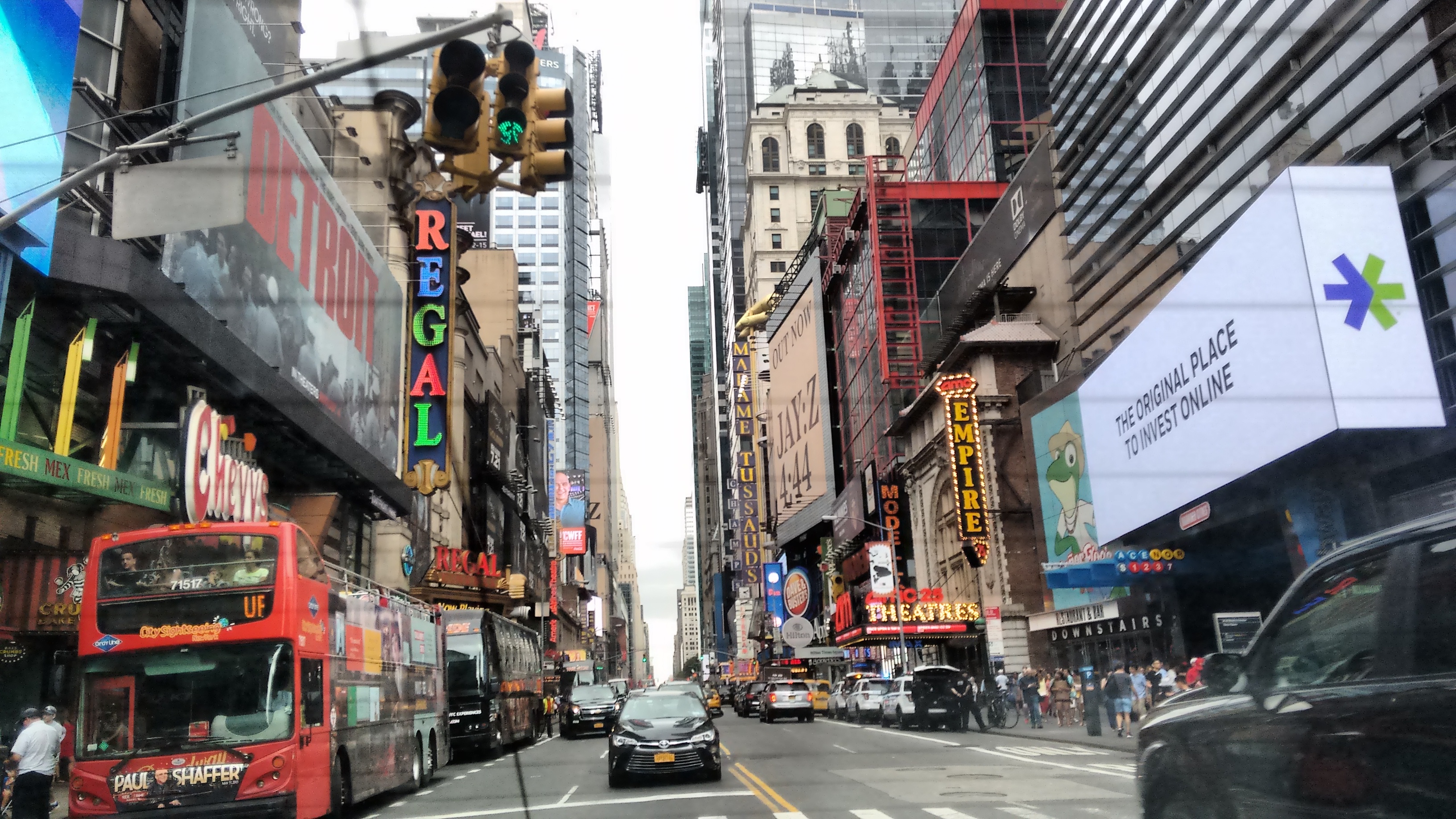
Like residents in all cities around the world, people in New York City
desire a livable city with places that are healthy, fun, and safe

THE FUTURE

My fear is that returning to more repressive policing tactics could also increase the gap between prevention strategies such as CPTED and the disadvantaged communities that gain the most from effective and low-cost practices.

As recently as last year CPTED was vilified by some critics for alleged discriminatory practices when they wrongfully conflated CPTED with broken windows policing. 

We certainly do not need another “prevention” strategy that causes more harm than good – especially since it already did that once. I hope it does not come to that.


Saturday, November 23, 2019

Too much racket - Noise pollution in the neighborhood

Noise in the city - a major impact on livability
by Tarah Hodgkinson

5:15am – SLAM! CRASH! BANG! That is how I wake up every Tuesday, Thursday and Saturday morning. Three days a week, when the garbage and recycling truck comes to empty the bins below my second-floor window. It’s been three times a week for 5 months now. They start at the ungodly hour of 5:15am. Always waking me up.

The first time I heard it I nearly jumped through the wall. When I first moved into one of the units of the six-story apartment, I was told that the truck came twice a week.

I know I sound like I’m complaining. You might suggest I go back to sleep after they are done (not possible), or that I close my window (I do) or I turn on the AC and blast a fan and wear earplugs (check, check, check). You might say “calm down, you chose to live in the city” (try using public transit outside of a city).

But noise pollution (excessive noise caused by machines, transport and other humans) has a harmful impact on humans and animals. Numerous studies have examined the effect of increased noise levels on health. Noise pollution has been found to affect the nervous and endocrine systems and can cause numerous health issues from anxiety and heart disease.

Most importantly, it disrupts sleep, which can be a catalyst for all of these health issues, as well as low birth weights for pregnant women. Additionally, sleep disruption caused by noise pollution can also reduce focus and harm productivity.

NOISE AND CPTED

As Mateja and Greg described in their recent blog introducing 3rd Generation CPTED, there is more to neighborhood livability than fear and crime. Noise pollution and its impact on public health is part of 3rd Generation CPTED because of its critical role in creating successful, peaceful neighborhoods.

Busy streets along with noise capturing architecture
can make noise pollution worse
While crime and noise have very different consequences, both fear of crime and noise pollution impact neighborhood livability. If people do not feel comfortable in public areas due to noise, they will not spend time there. It’s difficult to get legitimate “eyes on the street” (1st Generation CPTED calls it natural surveillance) when residents are hostile towards their streets.

Fortunately, communities all over the world are starting to pay attention to noise pollution. New technologies are helping to better discern the impacts of noise pollution, and laws and regulations already in place are beginning to expand.  In fact, organizations like Noise Free, have made it their mission to reduce noise pollution as part of a larger public health mandate.

SOLUTIONS?

However, many suggestions for responding to noise pollution are individually focused on encouraging the consumer to buy expensive noise-cancelling headphones, rearranging their furniture in their house or purchase other muffling agents.

Even more extreme, some suggest that people just move. But moving to a quieter neighborhood is not an option for most people, in particular, because noise pollution tends to be worse in poorer neighborhoods.

Not surprisingly, those poor neighborhoods are often where crime and fear flourish and where we end up working to introduce SafeGrowth.

Noise attenuation walls - the typical response
There have to be better local solutions to reduce these risks and protect those most affected.  Planners and developers already use highway barriers to reduce loud traffic, but this is not enough. For example, one solution might be educating policymakers on how to create local noise mitigation legislation, especially the sleep-interrupting version. It might be possible to better notify (and enforce) noise violators, improve tree coverage that can block noise, or create “no horn zones”.

Creating safe and livable neighborhoods isn’t just about reducing crime, its also about ensuring that city designers and decision-makers, and residents themselves, treat all neighborhoods fairly and ensure all forms of health and well-being are part of the 21st Century neighborhood.